At Stony Creek Beef, growth matters—but not if it comes at the cost of a live calf.
Kate and Darren Mackaway have built their breeding program around that balance. Their experience with Futurity Pastoral genetics shows how careful selection can improve calving ease while protecting growth, yield and carcase quality. “You can’t grow meat if you don’t have a live calf on the ground.”
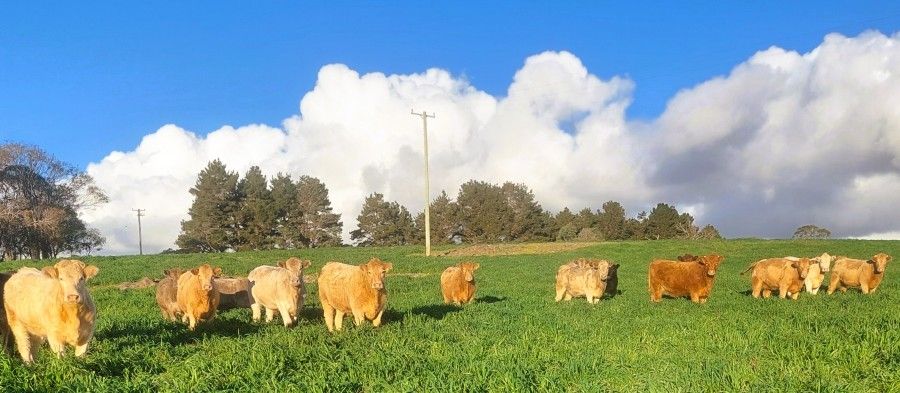
A family business built close to home
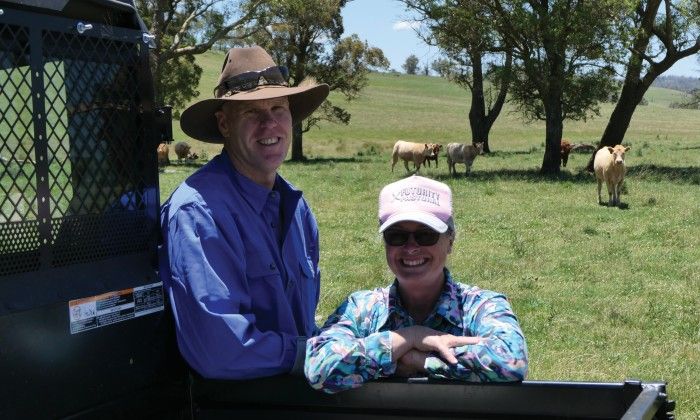
Kate and Darren run Stony Creek Beef from Tumble Downs, south of Walcha in New South Wales. They manage about 700 breeding cows across three New England tablelands properties: Tumble Downs, Rockend and Ostemere.
The three properties sit along the same road, with no more than 13 kilometres between them. When the opportunity came to buy Ostemere, the family chose to expand nearby rather than spread the business across distant country.
Today, the Mackaways’ eldest son Sam, his wife and their young family live at Ostemere. The arrangement keeps the family working closely together and makes it easier to move cattle and labour between properties.
Pasture is the foundation
The Mackaways run a high-performance pasture system. They invest in soil fertility, pasture improvement and livestock nutrition to support their production goals.
Productive pasture helps the Mackaways produce grass-fed cattle efficiently. It also allows them to target premium domestic markets, including Coles. Larger cattle are marketed through JBS and Wingham Beef Exports programs.
“We’re really focused on producing younger cattle that finish well before winter,” Kate explains.
“Everything we do is about breeding cattle that are productive, easy to manage and fit the markets we’re targeting.”
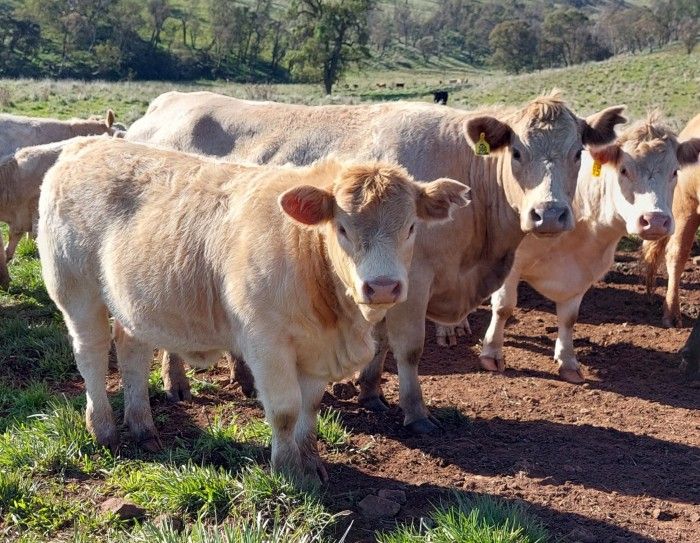
Finding the right genetics
Their commercial focus first led the Mackaways to Futurity Pastoral. The connection began with a recommendation from another producer.
“A good friend of Darren’s had purchased a Futurity Shorthorn bull and couldn’t speak highly enough of him. He said, ‘They have great Charolais that you would like. You really need to go and have a look at those bulls.’”
The recommendation prompted Darren to study the Futurity sale catalogue in 2020. At the Futurity Bull Sale, he and Kate met Jason and Kylie and bought their first Futurity Charolais bulls.
The following year, Jason suggested using Futurity Shorthorns in the joining program. The Mackaways had been using Angus bulls over their heifers, but wanted better calving ease without giving up growth.
“Jason came out to the farm, looked at how we operate and really listened to what we were trying to achieve. He recommended using a Shorthorn bull over our heifers, and we’ve never looked back.”
Today, Charolais bulls are still used over the mature cow herd. Futurity Shorthorn bulls are used extensively over replacement heifers, with three joined to heifers this season—their biggest commitment yet.
Kate’s selection priorities are clear:
- Low birth weight — “First is low birth weight. You can’t grow meat if you don’t have a live calf on the ground.”
- Growth — “Then we look for strong 400 and 600-day growth.”
- Polled genetics and temperament — “We look for homozygous polled genetics and, above everything else, temperament.”
- Calving ease, growth and safer cattle
- Temperament is non-negotiable for the Mackaways. It is a family business, and everyone must be able to work with the cattle safely.
“We’re a family business. If a bull is dangerous, he doesn’t get a second chance. They’re too big. In a family business everyone has to be safe. If something lines you up, it’s on the next truck.”
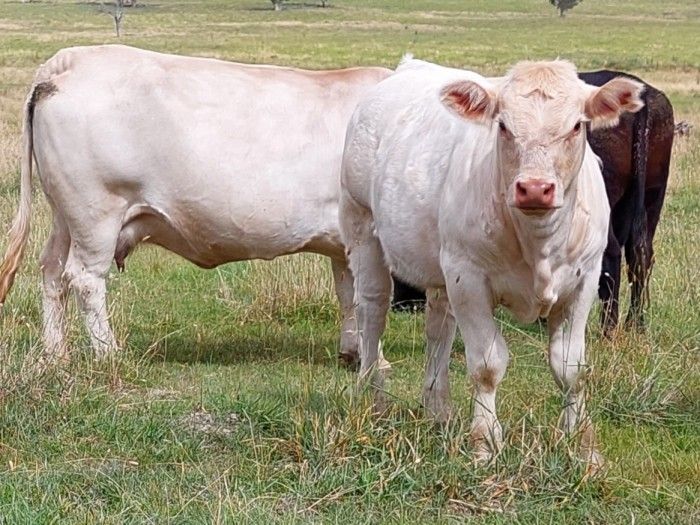
Polled genetics are also becoming more important. They reduce management requirements, support animal welfare and help the business respond to market expectations.
“We have our heifer numbers big enough now that we don’t join heifers with horns. All markets are pushing it as well, in their online audits they want to know what percentage you are dehorning.”
“For me, keeping weight on a baby is important. If you can avoid dehorning, why wouldn’t you? There’s a real focus in the industry now around animal welfare.”
The move to Futurity Shorthorns over heifers has improved joining performance and calving ease. The Mackaways are also seeing fewer assisted births.
“We’re definitely seeing less intervention during calving than we were four years ago.”
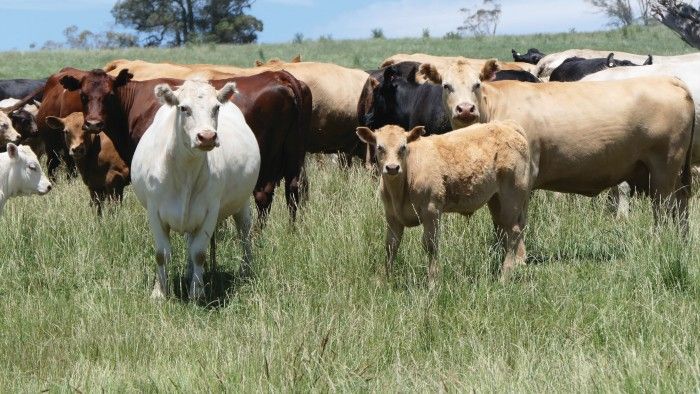
The cattle continue to deliver the growth and carcase performance the family wants.
Yield comes first. “The marbling has been excellent, but importantly we’re still getting the yield. We don’t want smaller cattle, we want efficient cattle that grow well.”
“You’re gearing for the yield. The marbling is extra.”
Kate says the Charolais and Shorthorn combination works well in their commercial program. “The Charolais have softened without losing performance, while the Shorthorns bring marbling, fertility and easy calving. For us, crossbreeding gives us the best parts of every breed.”
The improvement can be seen across the herd. “Even our lower-end weaners are making good money, so we’re really happy with where the genetics are taking us.”
Support that continues after the sale
For Kate, the relationship with Futurity Pastoral matters as much as the genetics.
“Jason and Kylie are just so easy to talk to. Jason’s passion is infectious, and they genuinely want to understand your business before recommending genetics.”
Jason has visited the property three times to see how the cattle are performing.
“Jason has been here three times over the years. He’s genuinely interested in seeing how the cattle are performing and whether the genetics are helping us achieve our goals.”
Kate says Kylie brings the same thoughtful approach. “Kylie is an incredible communicator. She doesn’t tell you what to do, she listens first. They both take the time to understand your operation before making recommendations.”
“They care about what happens after the sale. That relationship continues, and that means a lot.”
Looking back, Kate says she had little hesitation about changing direction. “Jason had complete confidence in what the Shorthorns would do over our heifers, and his advice has proven right.”
The message is simple
For producers considering Futurity genetics, Kate’s advice is direct: “Talk to them. Tell them what you’re trying to achieve. They’ll listen to your business goals, look at your cattle and help match the right genetics to your system.”
“It’s never about selling you a bull, it’s about helping your breeding program improve.”
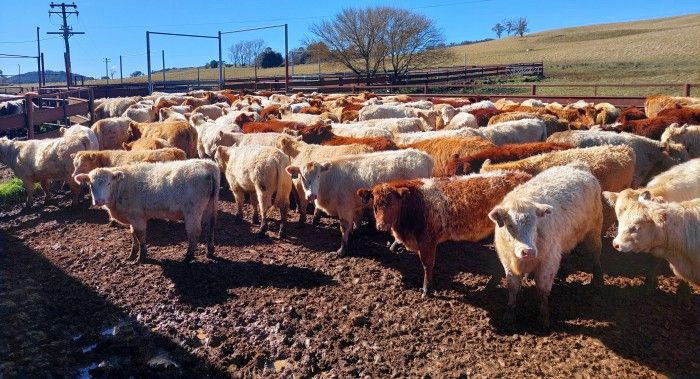
The Mackaways’ experience shows that calving ease and growth do not have to be competing goals. With the right genetics, strong pastures and a clear commercial direction, Stony Creek Beef is building cattle that are easier to manage, productive and geared for the yield.
 Jason:
  Kylie: